
Melanin changes UVB exposure
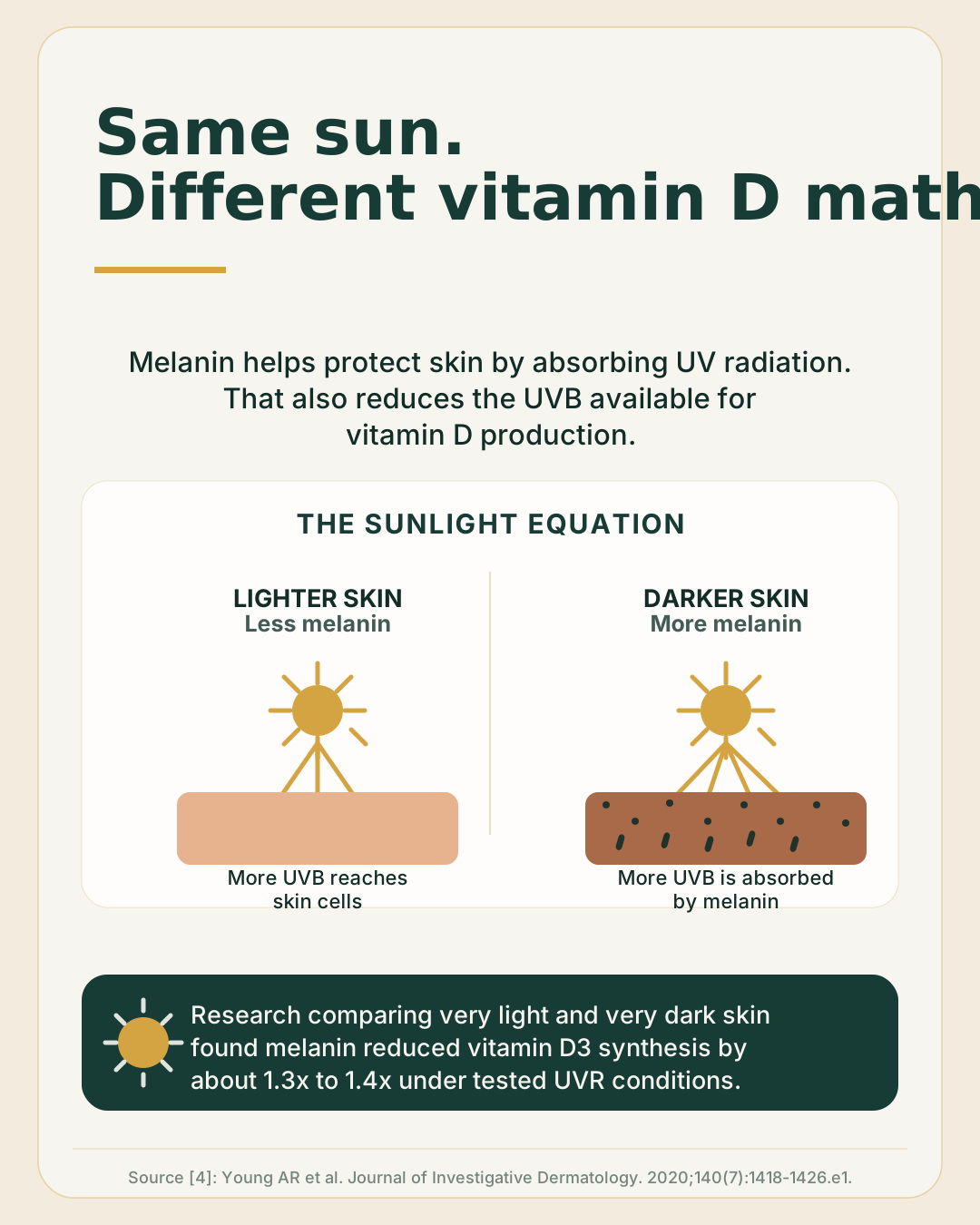
Melanin helps protect skin by absorbing UV radiation. Research comparing very light and very dark skin found melanin reduced vitamin D3 synthesis by about 1.3x to 1.4x under tested UVR conditions.[1]
The science behind Daily D3
Melanin helps protect skin from UV damage. It also reduces the amount of UVB available for vitamin D production.[1] Add indoor work, sunscreen, winter, clouds, glass, air pollution, and travel, and sunlight becomes an inconsistent vitamin D strategy.[2] Daily D3 is built for that reality: simple daily support for maintaining healthy vitamin D levels.
Daily vitamin D3 support for melanin-rich skin, indoor routines, sunscreen, winter cities, and long flights.
Melanin helps protect skin by absorbing UV radiation. Research comparing very light and very dark skin found melanin reduced vitamin D3 synthesis by about 1.3x to 1.4x under tested UVR conditions.[1]
Vitamin D helps the body absorb calcium, one of the main building blocks for strong bones. It also supports muscle function, nerve signaling, and normal immune function.[2]
Sunlight can help the body make vitamin D, but darker skin, clouds, smog, older age, sunscreen, covered skin, and being behind glass can all reduce vitamin D production from sunlight.[2]
Both D2 and D3 can raise vitamin D levels.[2] A systematic review and meta-analysis found that D3 generally produced a greater increase in total blood vitamin D levels, including with daily supplementation. Responses varied with starting vitamin D levels and body mass index.[4]
Same sun, different math
The issue is not whether the sun exists. It is how much UVB reaches skin cells consistently enough for vitamin D production. Melanin absorbs UV radiation, and controlled research found a small inhibitory effect on cutaneous vitamin D synthesis under tested conditions.[1]
What the data show
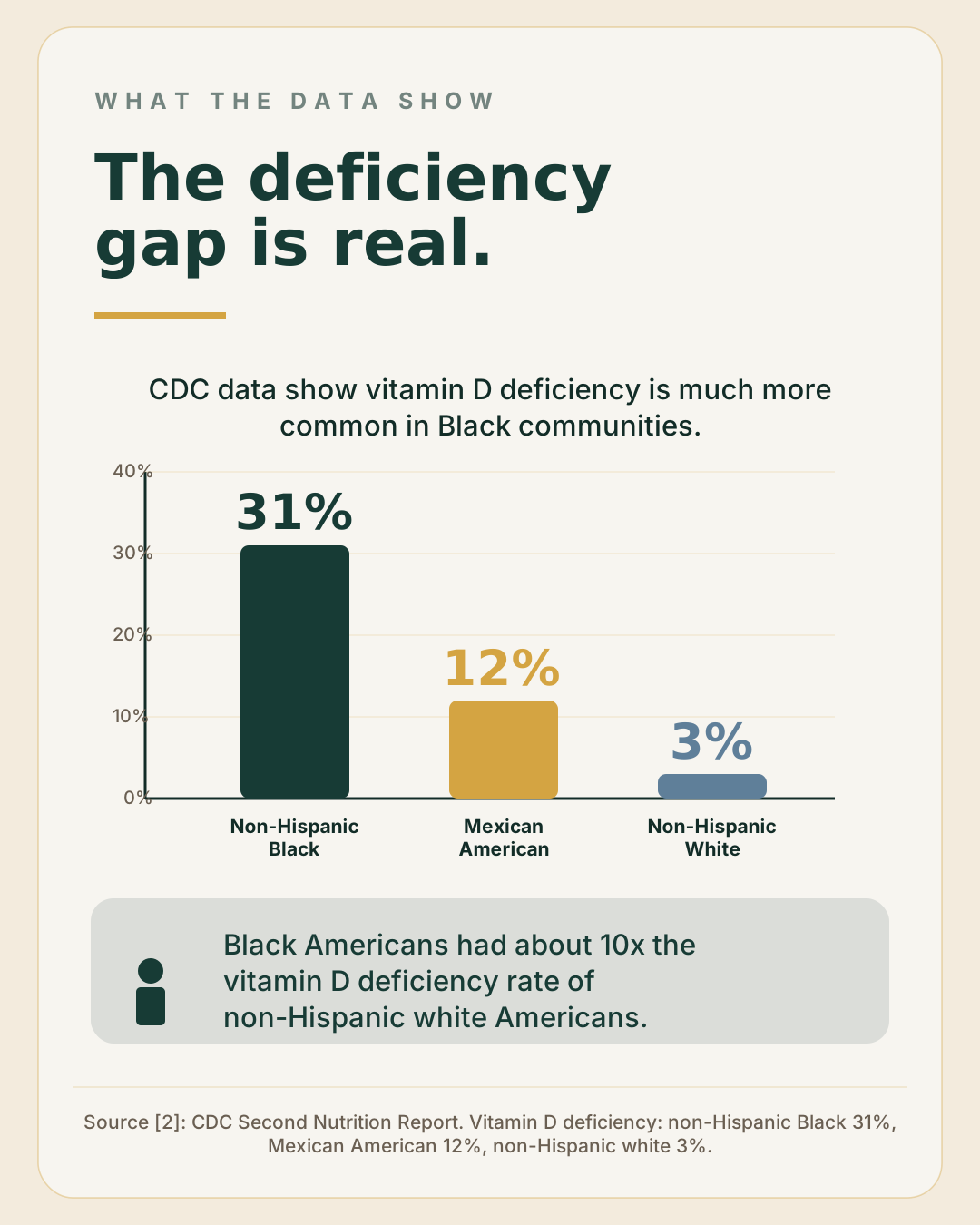
The CDC Second Nutrition Report found vitamin D deficiency in 31% of non-Hispanic Black people and 12% of Mexican Americans, compared with 3% of non-Hispanic white people.[3]
One clear comparison
Melanin-rich skin absorbs more UV radiation, which can reduce UVB-driven vitamin D production. CDC data show higher rates of vitamin D deficiency among non-Hispanic Black people than the comparison groups shown here.[3]
Guideline snapshot
The NIH Office of Dietary Supplements provides public guidance on vitamin D status, routine daily intake, and upper limits.[2]
NIH states that serum 25(OH)D levels at or above this level are adequate for most people for bone and overall health.[2]
NIH states this level is too low and may weaken bones and affect health.[2]
Adults 19-70 are generally recommended to get 600 IU daily; adults 71+ are generally recommended to get 800 IU daily.[2]
The adult upper limit is 4,000 IU daily unless otherwise directed by a healthcare provider.[2]
Responsible use
Excess vitamin D from supplements can be harmful.[2]
Daily D3 is designed for routine support, not medical treatment.
Daily D3 is designed to support healthy vitamin D levels.
It is not intended to diagnose, treat, cure, or prevent any disease.
People who are pregnant, taking medication, managing a medical condition, have kidney disease, have high calcium levels, or know they are vitamin D deficient should speak with a healthcare professional before starting or changing supplementation.
Wellness is personal. It is also cultural.
This Science page explains why vitamin D matters. Passport Pages creates space for the wider conversation: how Black travelers care for our bodies, make time for rest, and move through the world with intention.
Daily D3 turns science-informed daily support into one repeatable action: a focused vitamin D capsule routine.
Subscribe nowThis page summarizes research for consumer education. It is not medical advice and does not diagnose, treat, cure, or prevent disease. For personal testing, dosing, or treatment guidance, speak with a qualified healthcare professional.